What will change with Swiss identity cards from November 2026?
Svájcban 2026. november 2-től igényelhető az új biometrikus személyi igazolvány. Az okmány chipje két ujjlenyomatot és egy arcképet tárol, ami növeli a hamisítás és a személyazonosság-lopás elleni védelmet. A felnőtt igazolvány ára 70 CHF, érvényessége 10 év; a gyermek- és ifjúsági igazolvány 35 CHF-be kerül és 5 évig érvényes. A változás közvetlenül a svájci állampolgárokat, köztük a magyar–svájci kettős állampolgárokat érinti.
Why is Switzerland introducing a new biometric identity card?
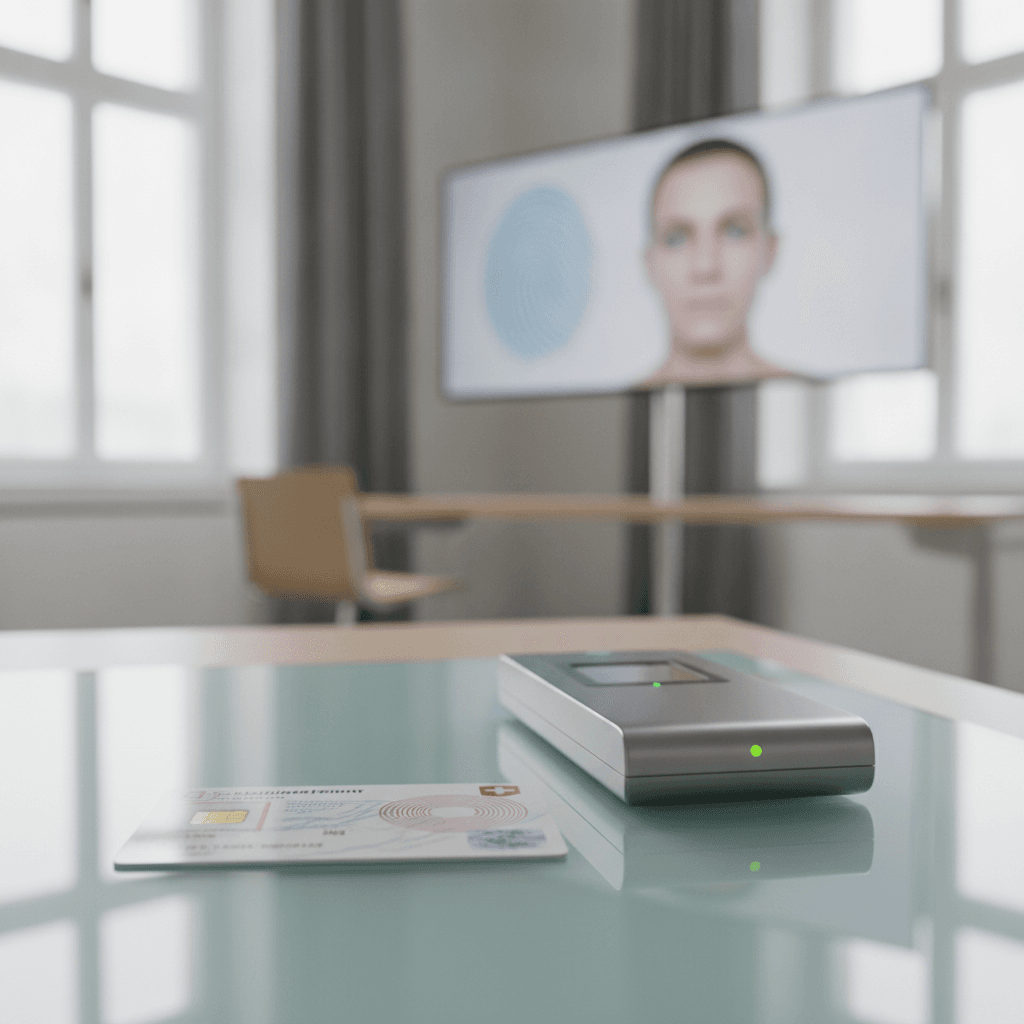
The aim is to provide more effective protection against forgery and identity theft by incorporating a biometric data chip.
The new identity card’s data chip stores two fingerprints and a facial image. This solution brings the identity card to a security level similar to that of current passport practices. The regulations are laid down by the Federal Council (Bundesrat) by ordinance, within the framework of the Ausweisverordnung (OLDI/ODI), while the issuance process is supervised by the Swiss Federal Office of Police (fedpol).
What is changing with identity cards?
In addition to the physical design, the main change is the expansion of the data stored in the document to include biometric elements.
The key changes are:
Expanded data chip: two fingerprints and a facial image will be stored on the chip alongside the existing data.
Enhanced protection against forgery: biometric data makes unauthorized use of the document more difficult.
Parallel issuance option in certain cantons: In the cantons of Zürich and Aargau, authorized municipalities (Gemeinden) may continue to issue the traditional, non-biometric identity card.
When can the new biometric identity card be applied for?
The new document can be applied for from 2 November 2026, one day after the relevant ordinance enters into force.
Date | Event |
|---|---|
1 November 2026 | The new ordinance enters into force |
2 November 2026 | The new biometric identity card can be applied for for the first time |
The competent cantonal passport office (kantonales Passbüro) or municipal office at your place of residence can provide information on the exact transitional rules and the conditions for replacing currently valid identity cards.
How much does the new biometric identity card cost, and how long is it valid?
The adult identity card costs CHF 70 and is valid for 10 years; the child and youth identity card costs CHF 35 and is valid for 5 years.
Identity card type | Price (CHF) | Validity |
|---|---|---|
Adult identity card (over 18) | CHF 70 (CHF 65 issuance fee + CHF 5 postage) | 10 years |
Child and youth identity card (under 18) | CHF 35 (CHF 30 issuance fee + CHF 5 postage) | 5 years |
Postage is CHF 5 in all cases, regardless of whether the document is for an adult or a child. Fees and validity periods do not vary between cantons because the identity card is a federal document.
How and where can you apply for the new biometric document?
The application can be submitted to the competent cantonal passport office or an authorised municipal office at your place of residence.
In the cantons of Zürich and Aargau, local residents’ offices (Gemeinden) are also authorised to issue identity cards, so applicants do not necessarily have to contact the cantonal passport office. In other cantons, the application process may differ, so it is advisable to check the latest information from the office responsible for your place of residence.
Who may be affected by the change?
The regulation primarily affects Swiss citizens, as the identity card (Identitätskarte) can only be issued to Swiss citizens.
In practice, this means that:
Hungarian–Swiss dual nationalsare directly affected by the change because, as Swiss citizens, they are entitled to a Swiss identity card.
People living in Switzerland who hold only Hungarian citizenship (for example B permit / those holding an Ausländerausweis B or C permit) are not directly affected by the change, as they have a Hungarian passport and a Swiss residence permit, rather than a Swiss Identitätskarte.
Children are also affected if their parents apply for an identity card for them — in their case, the less expensive children’s and youth category with a shorter validity period applies.
If you are a Hungarian–Swiss dual national and currently hold a valid Swiss identity card, it is advisable to contact the cantonal office in your canton of residence to find out about replacing your document.
What is the difference between a biometric identity card and the E-ID?
A biometric identity card is a physical document, whereas the E-ID (elektronische Identität) is a digital, electronic identification solution — the two are not the same system.
The swiyu Wallet application is used with the E-ID, enabling digital identification in certain online and official procedures. The physical identity card with a data chip remains necessary for traditional situations requiring in-person identification, such as crossing the border into European Union (EU) member states.
Sources
zh.ch
ag.ch
fr.ch
Related Articles
In Brief
From 2 November 2026, Switzerland will introduce a biometric identity card whose chip stores two fingerprints and a facial image. The adult document costs 70 CHF and is valid for 10 years, while the child and youth identity card costs 35 CHF and is valid for 5 years.
Key Takeaways
- The new biometric identity card can be applied for from 2 November 2026.
- In addition to the previous data, the chip stores two fingerprints and a facial image.
- The adult document costs 70 CHF and is valid for 10 years; for children, the cost is 35 CHF and the validity period is 5 years.
- Applications can be submitted to the cantonal passport office responsible for the applicant’s place of residence or to an authorised municipal office.
- In the cantons of Zürich and Aargau, some municipalities may continue to issue traditional, non-biometric identity cards.
- As a Hungarian–Swiss dual national, it is advisable to contact the cantonal office responsible for your place of residence to clarify the conditions for replacing your existing document.
Frequently Asked Questions
When can the new Swiss biometric identity card be applied for?
The new biometric identity card can be applied for from 2 November 2026. The relevant regulation enters into force one day earlier, on 1 November 2026.
What biometric data does the new Swiss identity card store?
In addition to the previous data, the document’s data chip stores two fingerprints and a facial image. These biometric elements make the card more difficult to forge and use without authorisation.
How much does the new Swiss identity card cost?
The total cost of the adult identity card is 70 CHF, comprising a 65 CHF issuance fee and 5 CHF postage. The child and youth identity card costs 35 CHF, comprising a 30 CHF issuance fee and 5 CHF postage.
How long is the biometric identity card valid?
The identity card for adults is valid for 10 years. The child and youth identity card is valid for 5 years.
Who is directly affected by the changes to the Swiss identity card?
The change primarily affects Swiss citizens, including Hungarian–Swiss dual nationals. Persons who hold only Hungarian citizenship and live in Switzerland with a residence permit are not entitled to a Swiss Identitätskarte and are therefore not directly affected by the change.
Where can the new identity card be applied for?
Applications can be submitted to the cantonal passport office responsible for the applicant’s place of residence or to an authorised municipal office. In the cantons of Zürich and Aargau, some Gemeinden are also authorised to issue identity cards; in other cantons, the current information provided by the competent office applies.
Is the new biometric identity card the same as the E-ID?
No. The biometric identity card is a physical document, whereas the E-ID is a digital electronic identity solution linked to the swiyu Wallet application. The physical identity card may still be required for identification in person, for example when crossing an EU border.
Related articles

Will international money transfers at Swiss banks become simpler?
Visa and PayInit are building a shared infrastructure for cross-border transfers. What could this mean for Hungarians living in Switzerland, and what should they look out for?

Could Switzerland Introduce a Digital Guest Registration System in 2026?
Switzerland is preparing a digital guest registration system for accommodation providers. Consultation on the proposal, which also affects foreign guests, runs until November 26, 2026.

Autumn Political Topics in Switzerland: What Could Affect Foreign Nationals?
In autumn 2026, the Swiss Parliament will debate the employment of foreign graduates and an immigration tax. An overview for Hungarians of what is relevant.